


October 13, 2026
Is Your Brand Ready for TikTok Shop? A Checklist Before You Launch
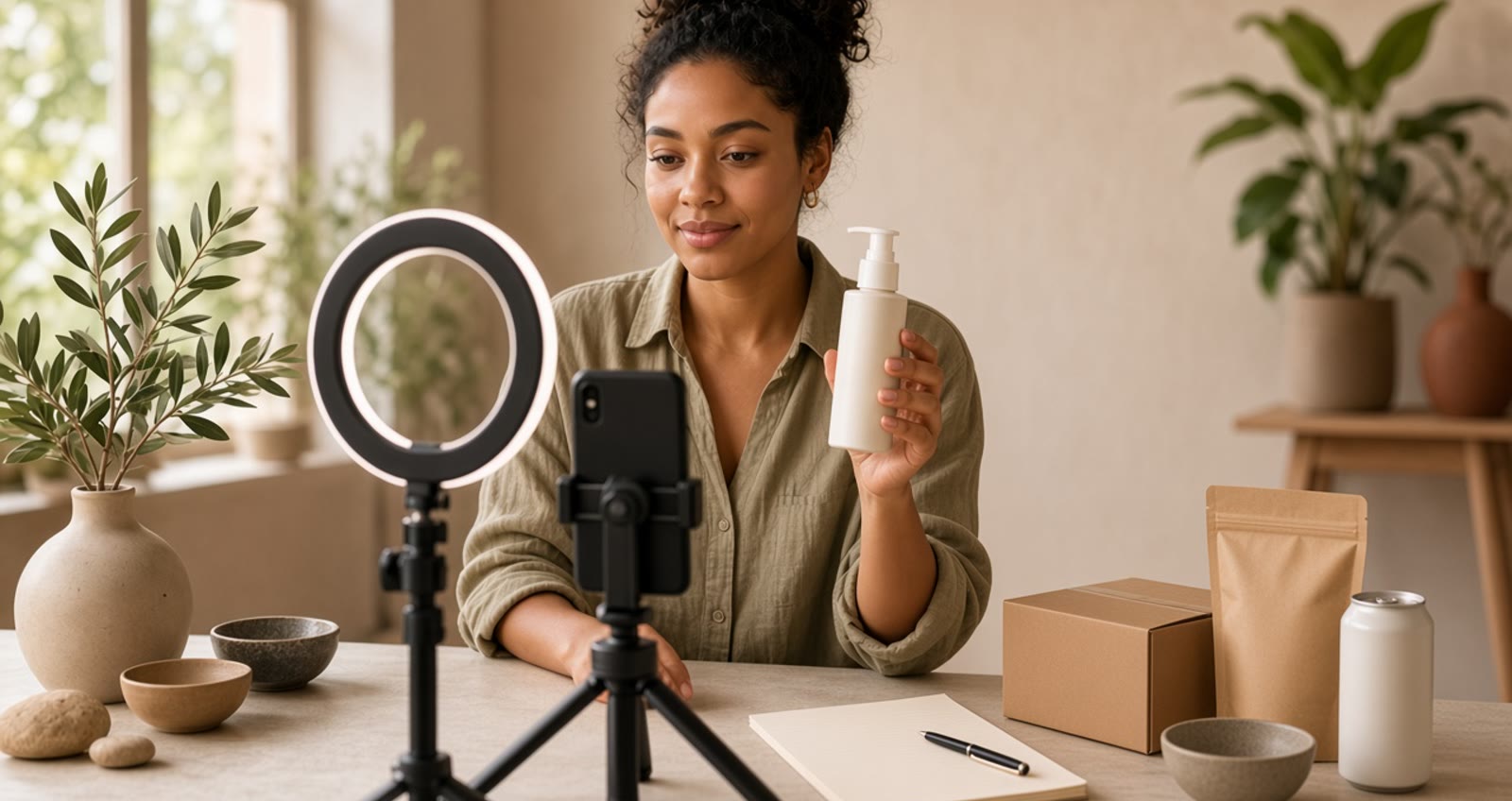
Your product gets good reviews, your Shopify store is generating buzz, and someone on the team sends a TikTok of a competitor selling out. Opening a TikTok Shop for your brand feels like the obvious next move. Maybe it is. But opening the shop can be looked at as the easy part. The hard part is everything that happens after the first order comes in.
A brand is ready to test TikTok Shop when it has an eligible product, a clear offer, margins that hold up, fulfillment that works, and a plan for creator content and measurement. You don’t need all of it figured out on day one. You do need to know where the gaps are, because those are what make early orders expensive or late.
At Go Global Agency, we connect those decisions through our TikTok growth services. This checklist helps you work out where to start.
1. Can a creator make the product easy to understand?
Imagine handing your product to someone who has never heard of your brand. Could they show what it does, who it’s for, and why someone would want it?
A packaged snack might have a clear eating occasion. An apparel product might have a useful fit or styling demonstration. A wellness beverage might fit naturally into a morning routine. Start with one specific reason to buy that a creator can say honestly.
Before choosing a product, ask:
- What can someone show on camera?
- Which customer question does the demonstration answer?
- What information would still be needed before purchasing?
- Can the content stay accurate without exaggerated promises?
A product doesn’t need to be visually dramatic, as long as someone can follow what it does and why it matters.
2. Have you confirmed that you can sell it through TikTok Shop?
Check the current seller requirements for your market and the rules for your product category before committing to a launch date. Product appeal and platform eligibility are separate questions. TikTok’s Seller Center setup guide explains the registration and verification process, including business information, warehouse details, and payment setup. Assign someone to own this work. They should know what has been submitted, what is approved, and what still needs attention.
For products with category restrictions or sensitive claims, confirm the applicable requirements before briefing creators. A video should not promise something the product listing cannot support. The goal is to build a creative plan around an offer you can realistically sell.
3. Does the offer make sense to someone discovering you for the first time?
Your existing customers may understand the difference between every flavor, size, or product variation. A new shopper probably won’t. Give them an easy starting point. That could be a single product, a clearly explained bundle, or a trial pack with a specific use case. The right choice depends on your category and economics.
Review the purchase as a new customer would:
- Is it obvious what comes in the order?
- Are size, quantity, and product details clear?
- Is the price understandable?
- Does the listing match what the creator shows?
- Are delivery expectations easy to find?
For apparel, uncertainty about fit can interrupt a purchase. For food, pack size and shipping costs may matter more. For wellness products, shoppers may need clarity about ingredients and intended use. Choose the offer that makes the first purchase feel straightforward.
4. Will the margins still work after the full cost of the sale?
A lot of sales doesn’t mean a lot of profit. Work out what the business keeps on each order after product cost, platform fees, creator commissions, discounts, fulfillment, shipping support, and returns. Then budget separately for samples, content production, management, and advertising. Use your current agreements and platform fee schedule. Avoid relying on a generic percentage someone mentioned in a video.
Then ask two questions:
- What would a sustainable order look like?
- How much are we prepared to spend learning whether we can produce it?
That second question gives the pilot a boundary. Your team should know the test budget and the conditions for continuing before momentum makes the decision for you.
5. Can you fulfill both customer orders and creator samples reliably?
A creator can’t film a product that hasn’t shown up, and a customer who gets a bad first order won’t buy again. Check inventory, packing, dispatch, returns and customer support before you increase demand. Samples need their own process too. Track who received a product, when it arrived, what content was agreed, and evaluate whether you’d work together again.
For customer orders, make sure someone owns:
- Stock accuracy
- Order handling
- Delivery questions
- Returns and refunds
- Product issues and customer feedback
If you’re planning around holiday demand, work backward from the dates your operation can support. A promotion should be able to reflect your delivery capacity.
6. Do you have a creator plan beyond sending products?
Sending samples is an activity, whereas a creator program needs a purpose. Start with the customer situations you want to explore. A food product might need a lunchbox demonstration, a recipe, or an afternoon snack moment. An apparel brand might need different fit perspectives. Each concept should answer a buying question.
Choose creators who can make those situations believable. Agree on the brief, deliverables, timing, compensation and content usage. If you want to use the material in ads, on your website or in email, address those rights before production.
Our creator and influencer marketing services cover the coordination that connects creator selection, outreach, execution and reporting. The first round should teach you which combinations of product, message and creator deserve another test.
7. Will the pilot tell you what to do next?
Before launch, decide what the pilot needs to prove. It might be whether shoppers respond to the offer, which demo gets people interested in the product, or whether the economics hold up after commissions and fulfillment. Follow the trail from content to orders, but don’t treat attribution as exact.
Useful measures include:
- Content delivered and usable assets produced
- Product visits and orders
- Costs associated with creator activity and advertising
- Returns and customer feedback
- Contribution after the relevant selling costs
Views can help explain reach, but they can’t tell you whether an order was profitable. Be sure to set review points and decide what evidence would justify changing the offer, replacing a creative concept or expanding the program.
So, what should your first TikTok Shop launch look like?
Keep the first test focused enough to understand. Choose a limited product selection, a clear audience hypothesis, and a manageable set of creator concepts. Give the team a budget, operating responsibilities, and a review date.
If results are weak, investigate the sequence. Did the content explain the product? Did shoppers visit the listing? Did the offer make sense? Were shipping costs or product details creating friction? Answers to those questions are more useful than treating every disappointing result as a need for more content.
Frequently asked questions
Do we need a large TikTok following before launching TikTok Shop?
A large following is not a substitute for product readiness or a creator plan. Evaluate your current seller eligibility, offer, operations and approach to generating relevant content. Confirm any account requirements directly with TikTok for your market.
Can a Shopify brand also sell through TikTok Shop?
A Shopify brand can evaluate TikTok Shop as an additional channel, subject to eligibility and the available integration options. Before launch, check how product information, inventory, fulfillment, and returns will be coordinated.
Should we launch every product at once?
A focused selection can make the first test easier to manage and interpret. Choose products with clear demonstrations, workable economics and reliable availability. Expand when you have evidence that the operation and offer can support it.
What should we look for in a TikTok Shop agency?
Look for a team that can explain how setup, offers, creators, affiliates, paid activity, and reporting work together. Ask who owns each task, which costs are separate and what the first stage is designed to learn.
Find out whether TikTok Shop fits your brand
At Go Global Agency, we help consumer brands connect Shop setup, creator sourcing, affiliate coordination, and paid management. Bring us your product, your margins, and the parts of the launch you are still working through. We can discuss a starting plan that fits the business behind the content.
Explore our TikTok Growth Readiness Assessment and services, or book a strategy conversation with Go Global Agency.